
Electricity bills continue to be a concern for households and small businesses, especially when several appliances operate every day. From refrigerators and televisions to computers, air conditioners, washing machines, and other electrical equipment, energy consumption can quickly add up. This has increased interest in compact power-saving devices such as the ZeroWattic Power Saver.
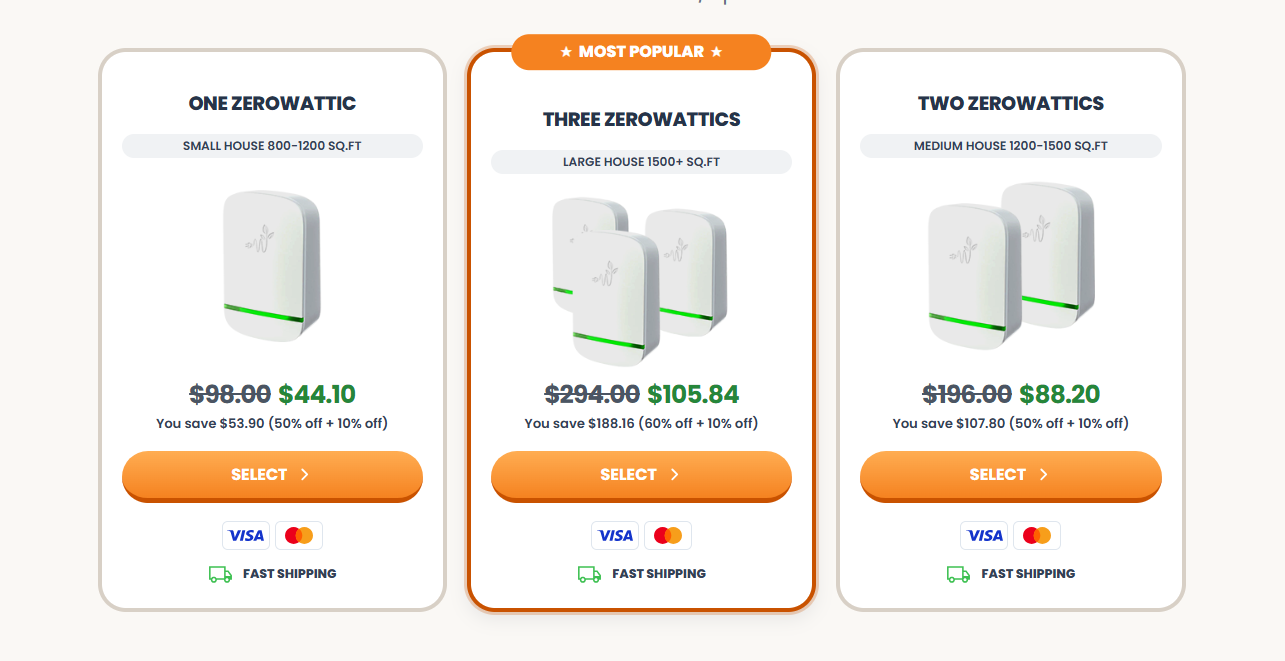
The ZeroWattic Power Saver shown in the product image has a compact, modern design with a white body, rounded edges, and a green indicator strip near the bottom. Its small size suggests that it is designed to fit conveniently into an indoor electrical environment without taking up much space.
But what exactly is a power saver, how might a device like ZeroWattic work, and what should consumers consider before purchasing one? In this detailed review, we examine the product concept, design, potential benefits, limitations, installation considerations, and practical ways to reduce electricity consumption.
Important: The product image alone does not provide enough information to independently verify ZeroWattic’s electrical specifications, certifications, measured energy savings, or technical claims. Consumers should check the manufacturer’s documentation and local electrical requirements before purchasing or connecting any electrical device.
What Is ZeroWattic Power Saver?
ZeroWattic Power Saver is presented as a compact electricity-saving device intended for use around electrical equipment. Products in this category are generally marketed around the idea of improving electrical efficiency or managing certain aspects of power consumption.
The basic appeal is straightforward: instead of making major changes to appliances or household wiring, a consumer may be interested in using a small device that can potentially complement an existing energy-efficiency strategy.
However, it is important to distinguish between reducing electricity consumption and improving certain electrical characteristics. A device cannot automatically eliminate the electricity required by an appliance simply by being plugged into a socket. Actual savings depend on the technology used, the electrical load, the installation environment, and how the device operates.
Therefore, anyone considering ZeroWattic should look beyond promotional statements and examine its technical specifications, certification information, warranty, and independent test data where available.
ZeroWattic Power Saver Design
One of the most noticeable aspects of the ZeroWattic Power Saver is its compact appearance.
Based on the supplied image, the unit features:
- A predominantly white exterior
- Rounded corners
- A slim, vertical form factor
- A small green indicator/light strip
- A simple front design
- A compact footprint
The minimalist appearance means it should not look out of place beside other household electrical equipment.
A compact design can also be useful for consumers who do not want another large electrical appliance taking up space. However, physical size alone does not determine electrical performance. The internal components, rated voltage, maximum load, operating temperature, safety features, and certification are much more important when evaluating an electrical product.

How Could a Power-Saving Device Work?
The term “power saver” can refer to several different technologies.
For example, some electrical systems use power-factor correction to improve the relationship between voltage and current in certain types of electrical loads. This can be particularly relevant in commercial and industrial environments where electricity billing arrangements may account for power factor.
Residential electricity billing, however, is generally based on energy consumption measured in kilowatt-hours (kWh), although billing structures vary by location and utility.
This distinction matters because improving power factor does not necessarily mean that a household’s electricity meter will record a dramatic reduction in kWh.
Another category of device may involve voltage regulation, surge protection, standby-power management, or electronic control. These functions are different from simply “reducing electricity usage.”
For ZeroWattic, buyers should therefore look for clear technical documentation explaining exactly what the device does.
Potential Benefits of ZeroWattic Power Saver
1. Compact Form
The small design shown in the image is one of the product’s most obvious advantages. It can potentially be installed without requiring substantial space.
For people living in apartments, small houses, offices, or other compact environments, a smaller device can be easier to accommodate.
2. Simple-Looking Design
ZeroWattic has a relatively clean appearance. The white casing and green indicator give it a modern electronic-device look rather than the appearance of a bulky electrical box.
This may be useful for consumers who prefer products that blend into their surroundings.
3. Potential Energy-Efficiency Support
If the product uses a legitimate electrical-efficiency technology appropriate for the user’s electrical system, it could potentially form part of a broader energy-management strategy.
However, consumers should not assume a specific percentage of savings without reliable testing.
4. Minimal Space Requirement
Unlike larger energy-management equipment, a compact plug-in style product can potentially be used without occupying significant floor or wall space.
Again, the exact installation method should be confirmed from the official instructions before use.
5. May Encourage Energy Awareness
Purchasing an electricity-related product can also encourage users to examine their overall energy habits.
In practice, behavioral changes such as switching off unused equipment, improving air-conditioner settings, using efficient lighting, and maintaining appliances can have a much more direct effect on household energy consumption.
Can ZeroWattic Really Reduce Your Electricity Bill?
This is one of the most important questions consumers should ask.
The answer depends on the device’s actual technology and the electrical environment where it is used.
A product advertised as an electricity saver should not automatically be assumed to reduce a household electricity bill by a large amount. Electricity consumption is influenced by appliance wattage, operating hours, usage patterns, appliance efficiency, and the local electricity tariff.
For example, a 1,500-watt appliance operating for several hours can consume substantially more energy than a small electronic device operating continuously.
Therefore, the most reliable way to reduce electricity costs is usually to address the appliances responsible for the largest portion of energy consumption.
Consumers should also be cautious about advertisements promising extremely large or guaranteed savings without providing independently verifiable evidence.
ZeroWattic Power Saver for Home Use
For household users, electricity-saving strategies can include efficient lighting, smart thermostat or air-conditioner settings, energy-efficient appliances, and eliminating unnecessary standby consumption.
If ZeroWattic is being considered for home use, users should first verify:
Rated voltage: Make sure the device is compatible with the local electrical supply.
Maximum load: Do not connect equipment beyond the manufacturer’s specified rating.
Certification: Look for appropriate electrical safety certification for the country where the device will be used.
Instructions: Follow the manufacturer’s installation and operating instructions.
Warranty: Check whether a warranty is provided and understand its terms.
Return policy: A clear return policy can be useful if the product does not meet expectations.
These checks are especially important because electrical products should be evaluated primarily for safety and suitability, not just potential savings.
ZeroWattic Power Saver for Offices
Small offices can have many electrical loads running simultaneously. Computers, monitors, printers, routers, lighting, chargers, cooling equipment, and kitchen appliances can all contribute to electricity usage.
For office owners, measuring actual energy consumption before and after installing an efficiency device is a better approach than relying solely on marketing claims.
A simple energy audit can identify which devices consume the most power.
For example, if an office’s electricity usage is dominated by air conditioning, improving cooling efficiency and reducing unnecessary operating hours may have a greater impact than adding a small plug-in device.
ZeroWattic may therefore be considered as one part of an overall energy-management strategy rather than a replacement for efficient appliances and sensible energy use.
Things to Check Before Buying ZeroWattic
Before purchasing any electricity-saving product, consumers should carefully examine the following information.
Technical Specifications
Look for voltage, frequency, power rating, operating conditions, dimensions, and other electrical specifications.
Independent Testing
Independent laboratory testing can provide more useful evidence than promotional statements alone.
Safety Certification
Electrical equipment should meet the applicable safety requirements for its intended market.
Manufacturer Information
A legitimate product should provide clear information about the manufacturer, support contact, operating instructions, and warranty.
Actual Savings Evidence
If a seller claims a specific percentage reduction in electricity consumption, look for details explaining how the figure was measured.
Installation Requirements
Never connect an unfamiliar electrical product in a way that conflicts with its instructions or local electrical regulations.
ZeroWattic Power Saver Pros and Cons
Potential Pros
- Compact physical design
- Simple modern appearance
- Takes up relatively little space
- May complement broader energy-efficiency efforts
- Easy-to-notice indicator design
- Potentially suitable for consumers interested in monitoring electricity efficiency
Potential Cons
- Actual electricity savings cannot be established from the product image alone
- Technical specifications need to be verified
- Marketing claims should be checked against independent testing
- Not a replacement for energy-efficient appliances
- Incorrect installation of electrical equipment can create safety risks
Practical Ways to Lower Electricity Consumption
Regardless of whether you purchase ZeroWattic, several straightforward steps can help reduce unnecessary electricity consumption.
Use Energy-Efficient Appliances
When replacing old appliances, compare their energy-efficiency ratings and estimated annual consumption.
Reduce Air-Conditioner Consumption
Air conditioning can be a significant electricity load. Maintaining filters, keeping doors and windows closed while cooling, and using reasonable temperature settings can help.
Turn Off Unnecessary Equipment
Switch off computers, televisions, lights, chargers, and other equipment when they are not needed.
Use LED Lighting
LED bulbs generally use considerably less electricity than traditional incandescent lighting and can last longer.
Monitor Your Electricity Usage
Checking monthly bills or using suitable energy-monitoring equipment can help identify unusual increases in consumption.
Maintain Appliances
Dirty filters, poor ventilation, and neglected maintenance can cause some appliances to operate less efficiently.
Is ZeroWattic Power Saver Worth Considering?
Whether ZeroWattic Power Saver is worthwhile depends largely on its verified specifications, price, warranty, safety certification, and independently demonstrated performance.
The compact design shown in the supplied product image makes the device visually appealing for consumers looking for a small energy-related product. However, appearance cannot establish energy-saving performance.
The most important consideration is evidence.
Before purchasing, consumers should determine exactly how the device works, what type of electrical load it is designed for, whether it has appropriate safety certification, and whether independently measured results support its advertised benefits.
It is also important to remember that electricity savings generally come from reducing energy consumption. Replacing inefficient appliances, reducing unnecessary operating time, and adopting sensible energy habits can be important components of an effective electricity-saving strategy.
Final Verdict on ZeroWattic Power Saver
ZeroWattic Power Saver presents a compact and modern-looking approach to electricity management. Its small white enclosure and green indicator give it a straightforward appearance that could fit naturally into a home or office environment.
However, potential buyers should evaluate the product based on verified technical information rather than appearance or broad energy-saving promises. The supplied image does not establish the device’s actual energy performance, and specific savings claims should be supported by credible testing.
If you are considering ZeroWattic, check the official specifications, electrical ratings, certification, warranty, return policy, and independent performance evidence before making a purchase. Most importantly, treat any power-saving device as only one potential component of a broader energy-efficiency plan.
For consumers trying to lower their electricity bills, combining appropriate electrical equipment with efficient appliances and practical energy-saving habits remains an important approach.